




Selected Works & Interactive Scores
A collection of original soundtracks, and audio integration crafted for video games, films, and media projects. Click on any project to explore its story, audio tracks, and behind-the-scenes details.

Hot Lap Racing
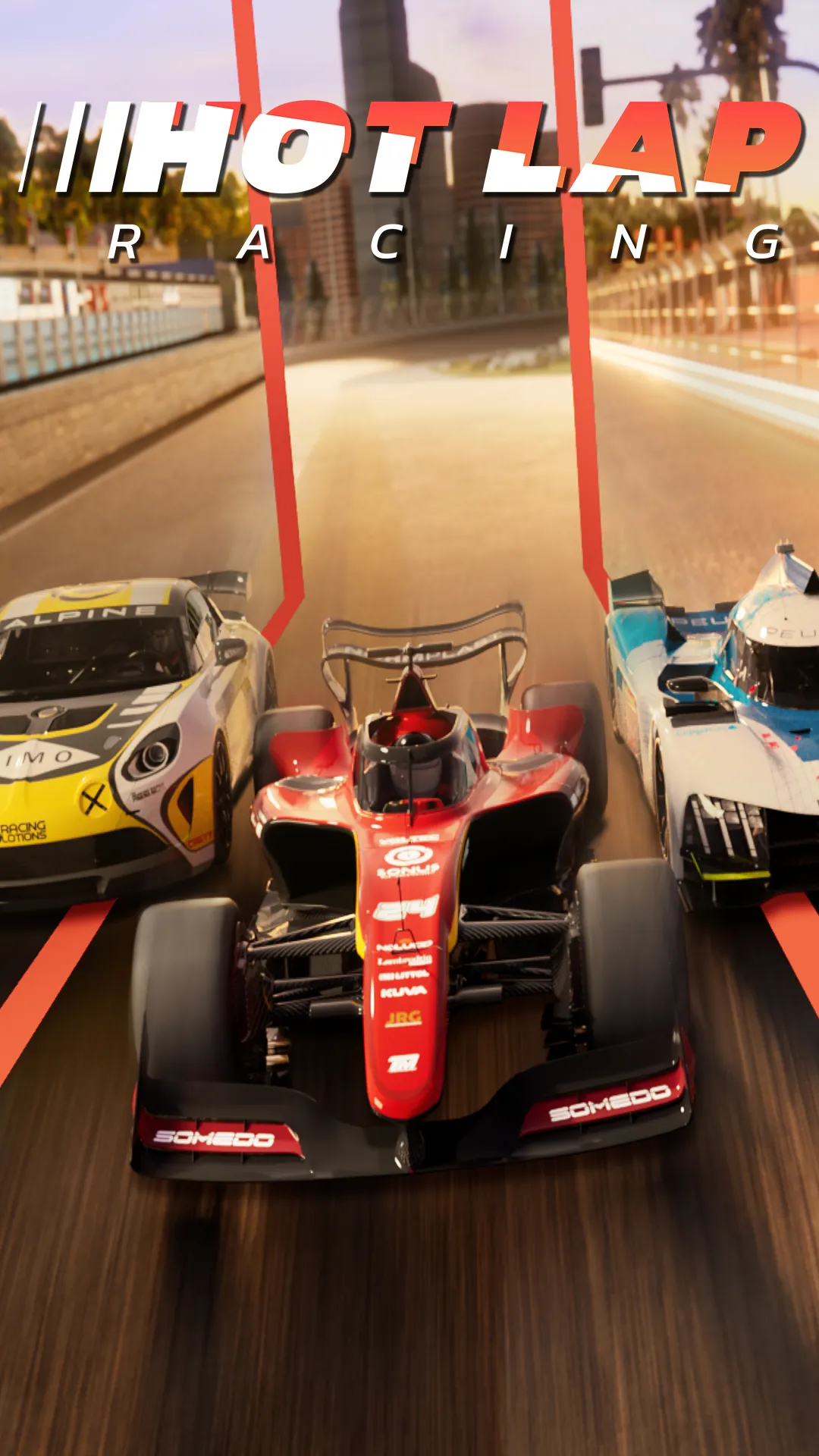
Full Composition & Music Production / SFX
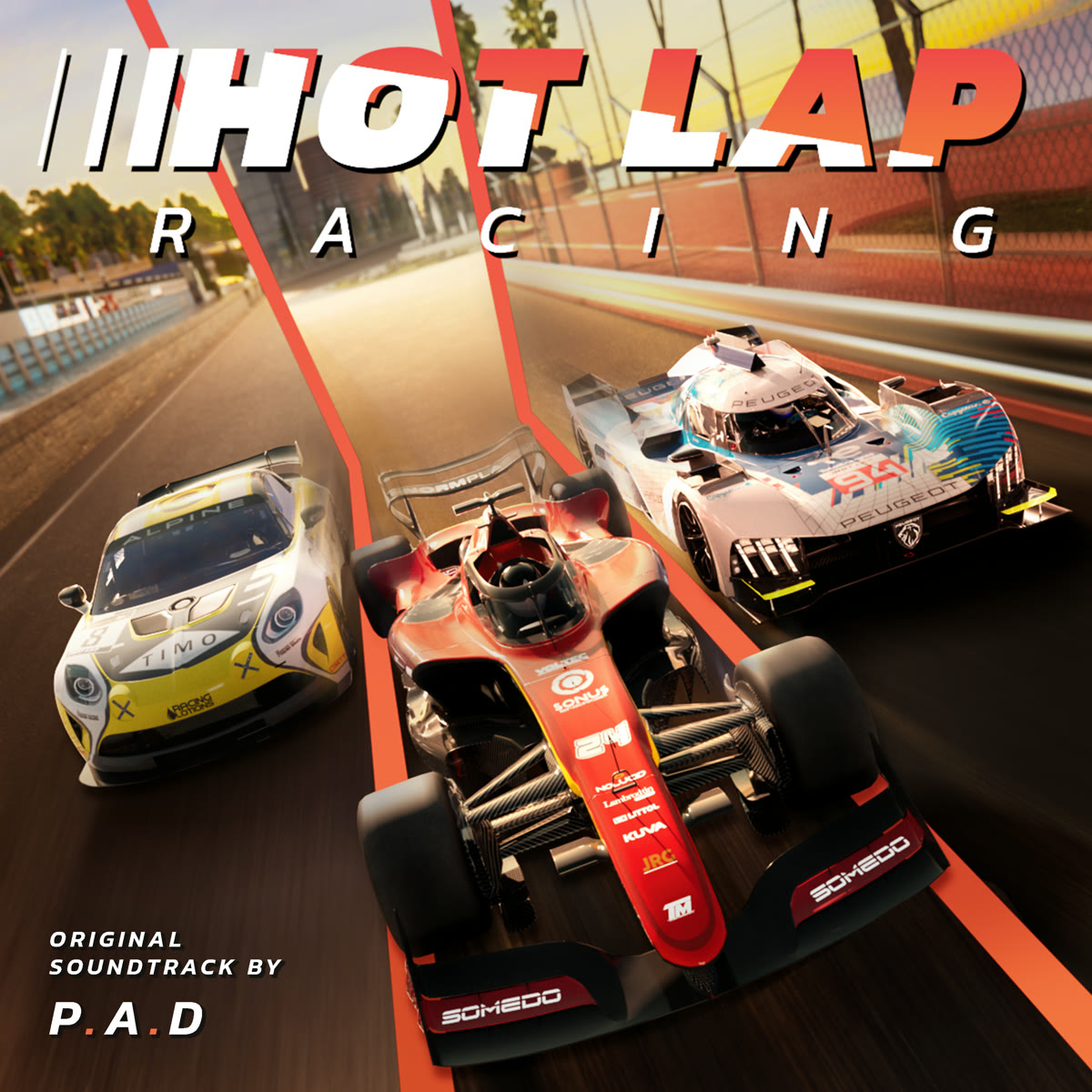
For Hot Lap Racing, I composed and produced the full soundtrack, wired it into FMOD, designed every SFX, and helped shape the global game design. Each track carries the character of a different car and era: rock, metal, electro, and industrial fused into music that keeps you locked in, yet always pushing you to floor it. At its core, it's all in service of one thing: an ode to the racing games that shaped our childhood.
Trailers
Music
- 01 Best Car In The World 0:24
- 02 Lens Flare 3:13
- 03 Pedal To The Metal 3:17
- 04 High Speed, High Fun 3:09
- 05 Smell Like Burnt Tires 3:07
- 06 Feed Racing School 1:20
- 07 01:57:000 1:59
- 08 Basic Instinct 2:47
- 09 Lights In The Night 2:42
- 10 Chasing A Dream 1:42
- 11 Push Push 3:02
- 12 Sunset Drift 2:48
- 13 Horsepower 3:20
- 14 Dusty Road 2:58
- 15 Pace Increased 2:42
- 16 Bugs On The Visor 2:41
- 17 Best Pilot In The World 1:37
- 18 Engine's Dead 2:36
- 19 Dive Bomb 3:38
- 20 Podium 0:13
- 21 Hot Lap Racing 3:56
- 22 Lens Flare (Retro Version) 3:22
Clockfall
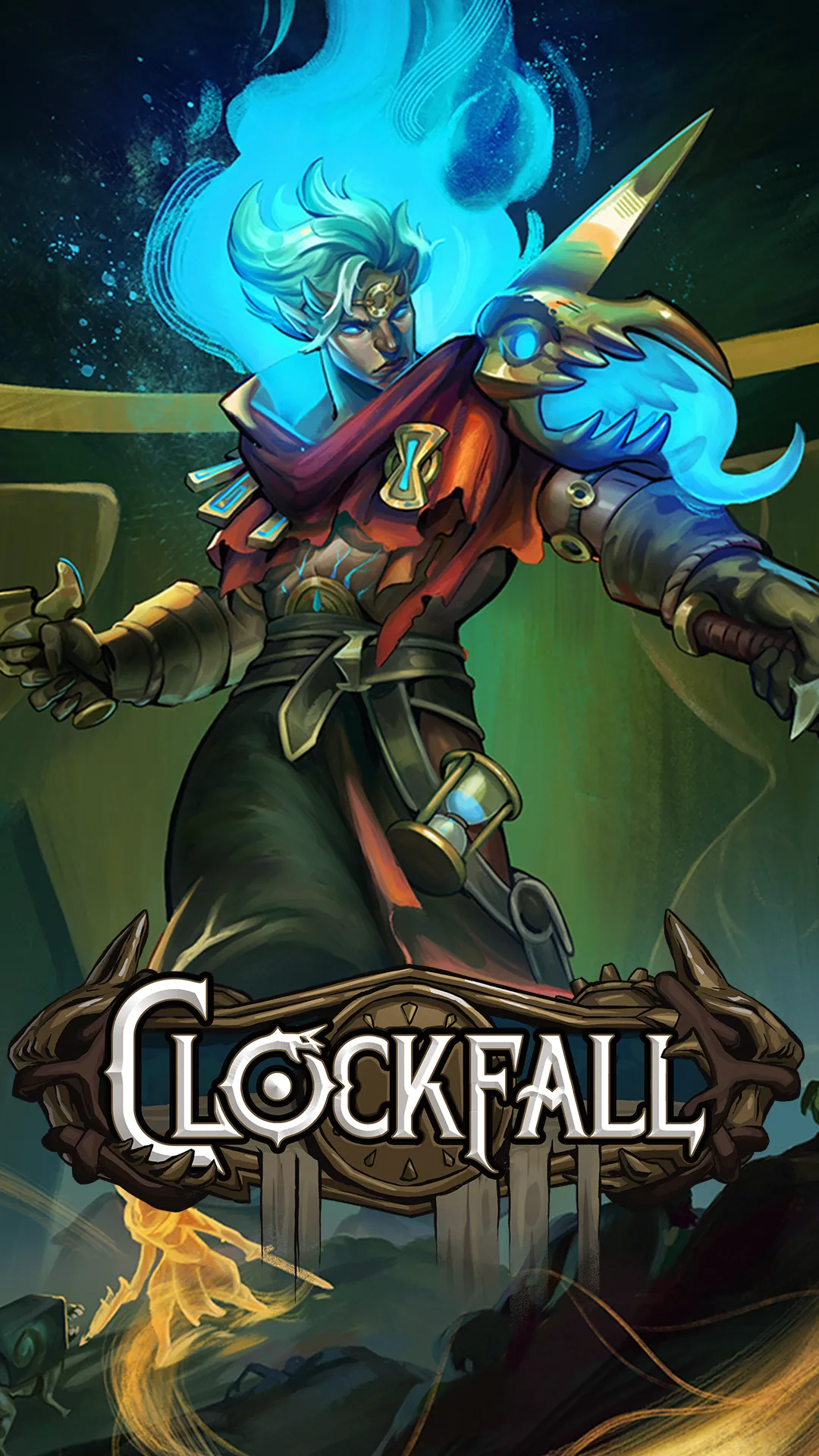
Full Composition & Music Production / SFX
Serving as the primary composer, sound designer, and audio integrator for Clockfall, I spent over two years crafting its complete sonic identity, spanning over 90 minutes of interactive orchestral and hybrid music, adaptive sound design, and custom implementation. Over time, my role naturally expanded into UI design, gameplay logic, and environmental art.
Shortly before the game's Early Access launch, my direct involvement came to an end, with the announcement trailer featured on Xbox and PlayStation channels marking the final milestone of my work on the project.
Due to internal shifts surrounding the project, the 1.5 hours of music created for it will now take an exciting new path, as the entire catalog is currently being reimagined and finalized for a standalone musical release, one that now stands completely independent from Clockfall.
Announcement Trailer (PlayStation Edit)
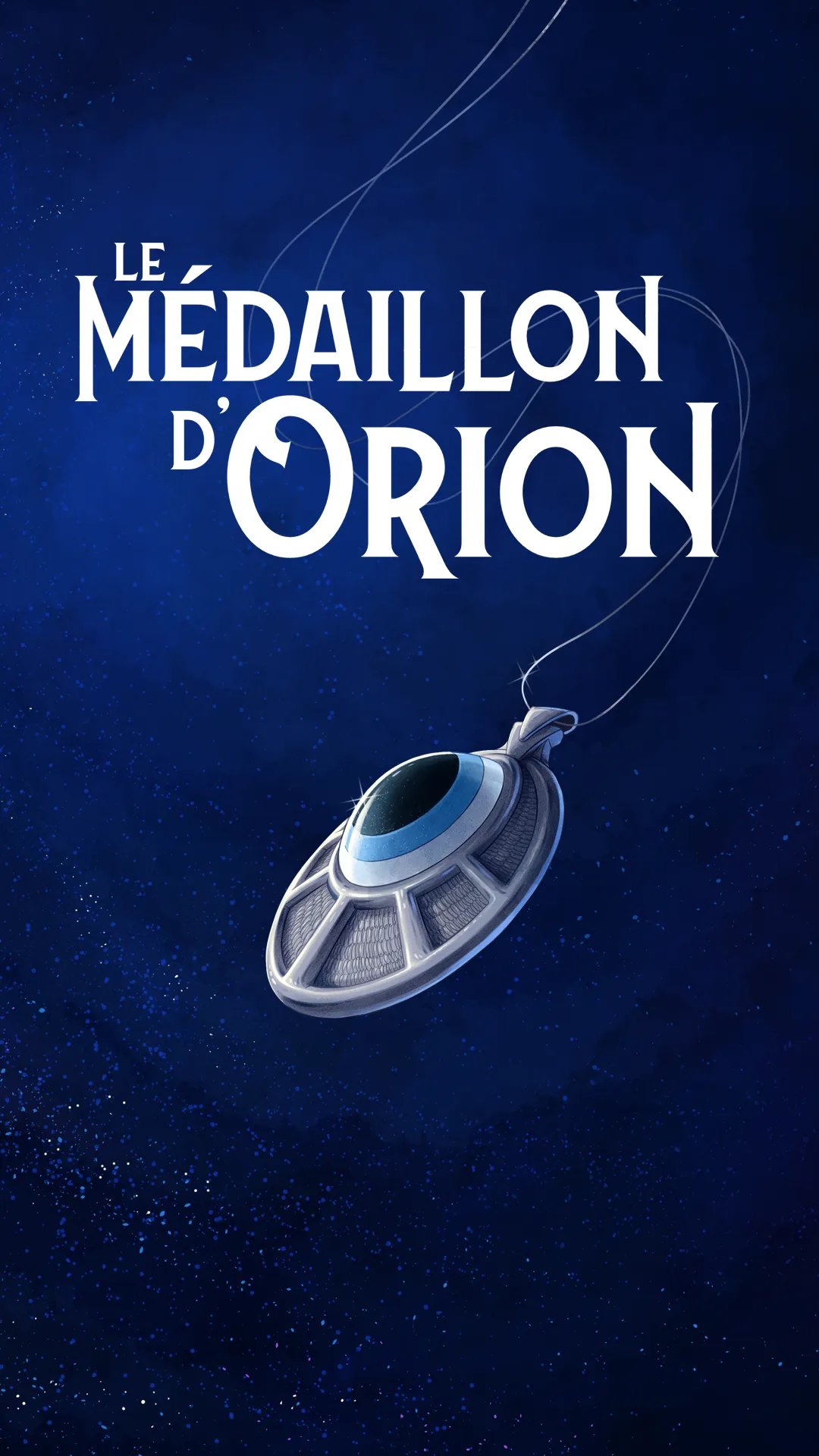
Le Médaillon d'Orion
Full Composition & Music Production
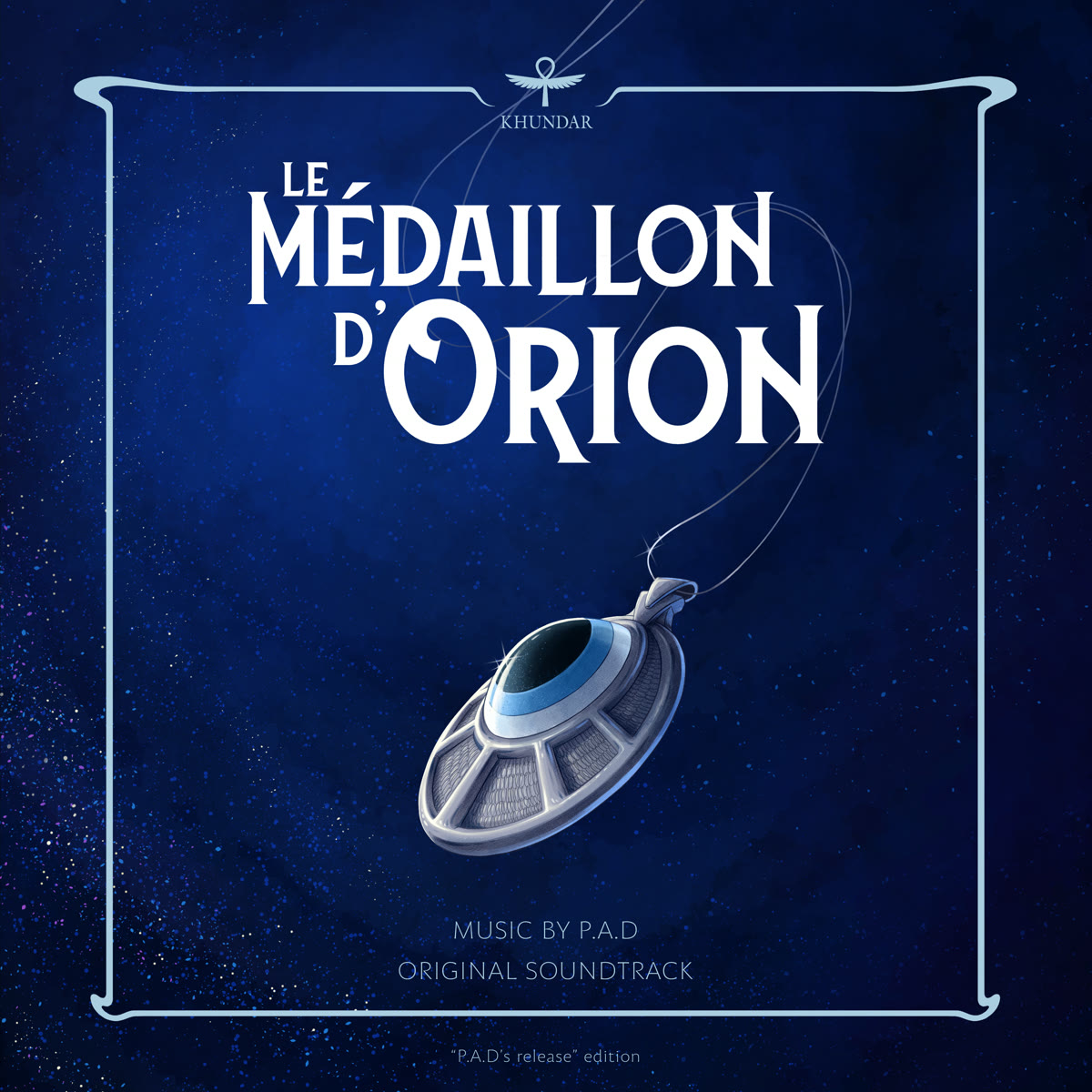
Composing a soundtrack for a book was a unique and fascinating challenge. The dark, mysterious atmosphere of Le Médaillon d'Orion provided incredible creative fuel, allowing me to explore deeply immersive and atmospheric sonic textures.
Although my time on the project was cut short, I was deeply attached to the musical world we began building. In late 2022, I decided to curate and release my favorite pieces from those sessions as a standalone EP, titled OST: P.A.D's Edition.
Scoring literature is an avenue I would love to explore further. If the opportunity ever arises to collaborate with another author, I would jump at the chance to bring a complete story to life through music, from the first page to the last.
Trailer
- 01 Trailer (Ulule Campaign) 0:43
Music
- 01 Prologue 1:33
- 02 New Rules 2:30
- 03 Another Life 1:26
- 04 The Training 2:57
- 05 Conspiracy 2:11
- 06 Kennel (Hope) 2:11
Moi c'est Jeck
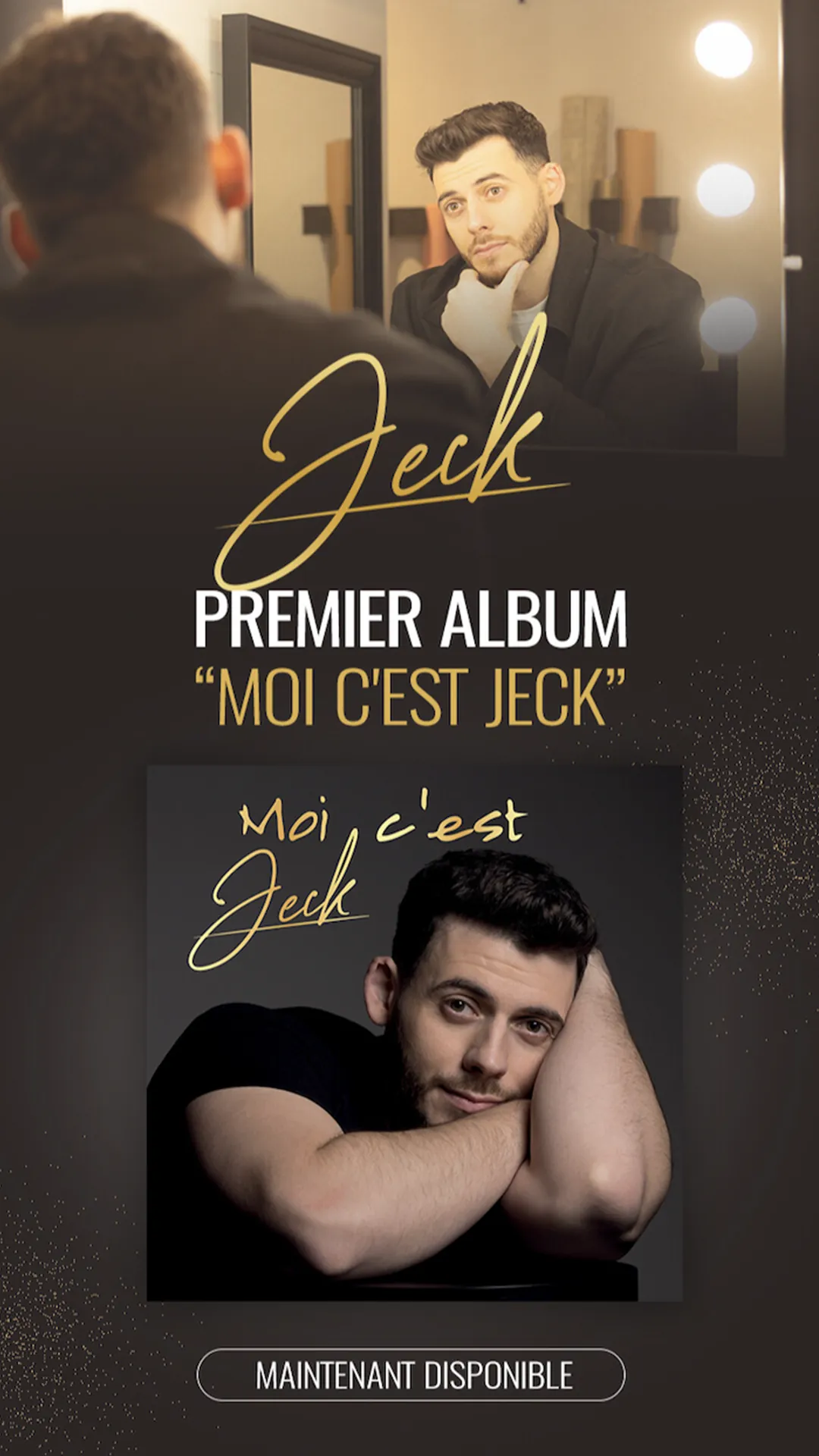
Orchestration & Mockup Design
On top of being a good friend, Jeck is simply an awesome person to make music with. Finding the time and the right opportunities to align our schedules isn't always easy, which makes every collaboration even more special.
I'm incredibly grateful to have contributed a little piece of myself to his very first album, working on the track "Je me suis retrouvé." On top of that, seeing at the same time our cover of "Mistral gagnant" hit 6 million views has been an absolute thrill.
Cover
Music
Will You Survive?
Full Composition & Music Production / SFX
Will You Survive? marks the final mobile game project I scored, composed shortly after the first lockdown in 2020. Even though it only called for three tracks produced within a single week, this project holds a very distinct place in my memory, forever tied to that surreal time we all lived through.
Listening back to "DAY" immediately brings me back to that 20 m² apartment in Lyon I was living in alone. It captures a strange mixture of softness, melancholy, quietness, and a subtle sense of anxiety, reflecting that surreal bubble where time felt suspended while the world outside was unraveling.
Music
- 01 Day 3:12
- 02 Night 0:54
- 03 Sunday 1:02
Carla's Cover
Arrangement / Orchestration & Mockup Design
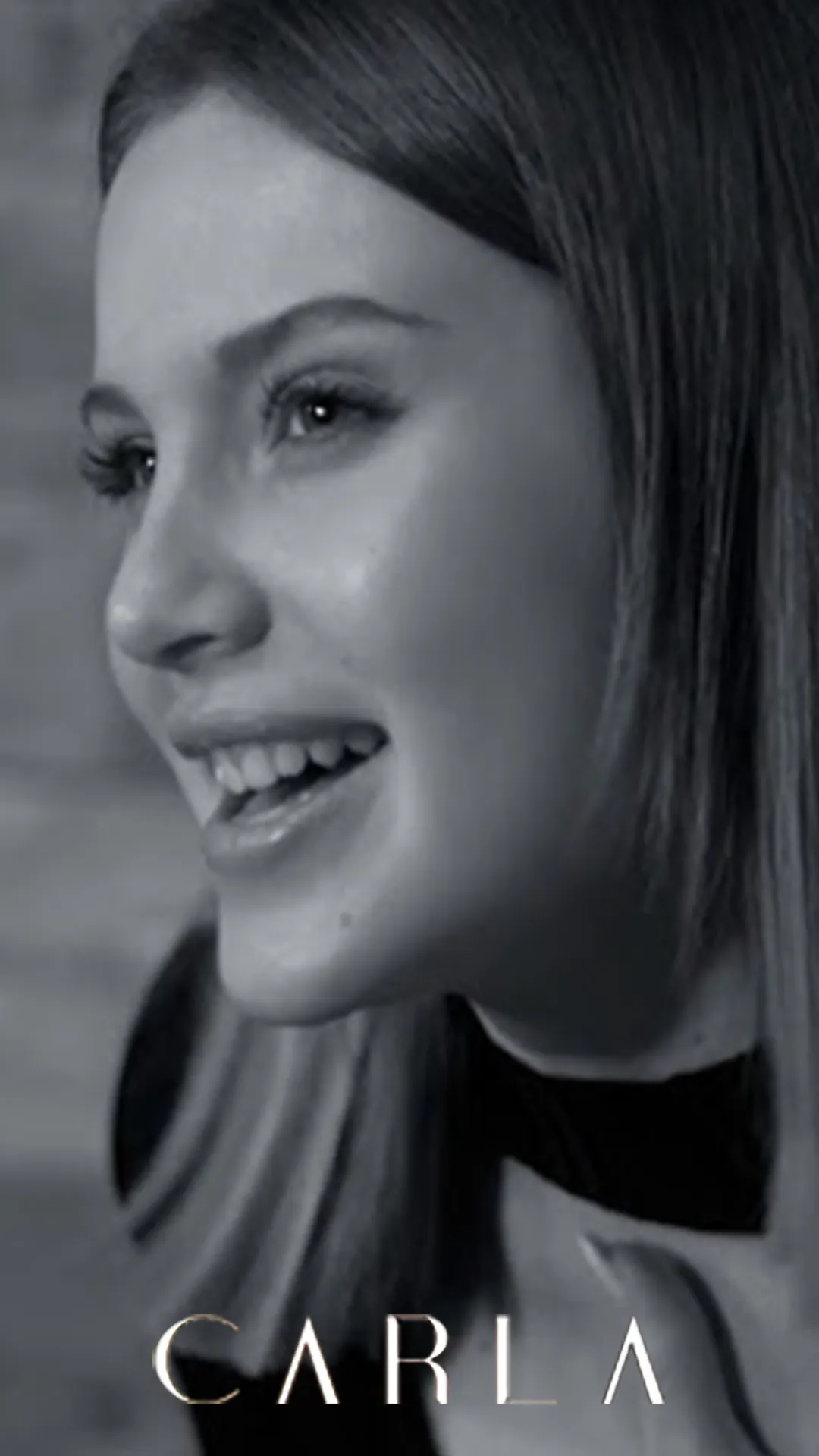
Collaborating with Carla Lazzari was a great opportunity to put my skills as an arranger, orchestrator, and mockup designer to work.
The goal was to craft a rich, sophisticated musical backdrop that supports her artistic evolution, helping mark a clear step forward from the pop style she was originally known for (such as "Bim Bam Toi"). I'm thrilled to have accompanied her on this project and contributed to this new chapter in her sound.
Video
The Dark Knight Rises
Re-Arrangement / Orchestration & Mockup Design
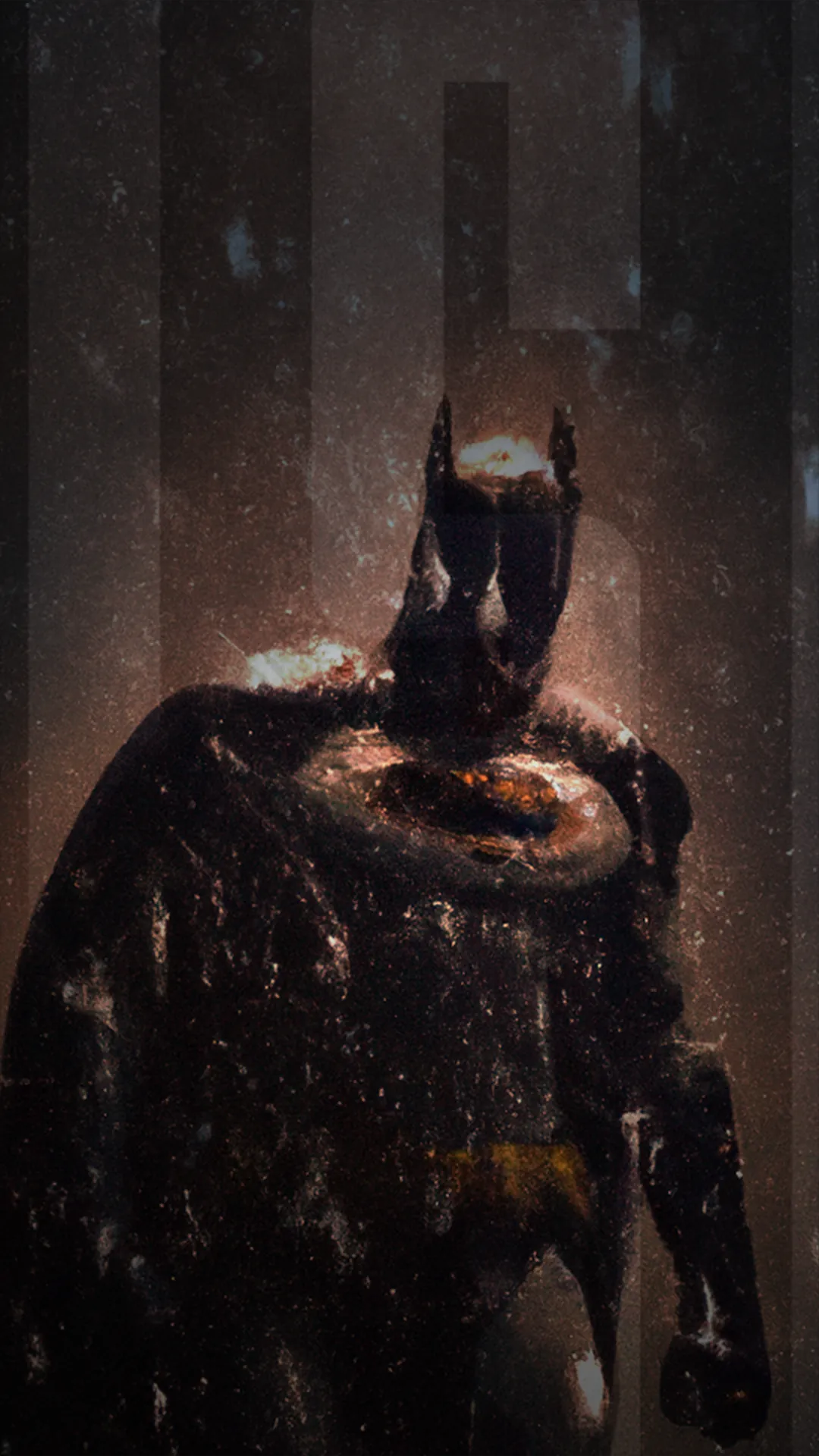
This project is a complete re-orchestration, rearrangement, and virtual mock-up of the iconic score originally crafted by Hans Zimmer and James Newton Howard. Produced entirely in the box, it relies primarily on the Symphony Series suite by Native Instruments to recreate the power and nuance of a full symphonic orchestra.
Designed as a technical demo and orchestral exercise, this piece highlights my workflow as a mockup designer and arranger. It serves as a tribute to two major influences whose work continues to shape my approach to cinematic scoring and realistic brass and string programming.
Music
- 01 RISE 2:25
Les 7 péchos capotés
Full Composition & Music Production
Co-produced by my sister, this comedic short film was created purely for the joy of making something fun together with zero pressure or commercial pretension.
While the music takes a backseat to the comedy, I had a blast setting the tone. I crafted a seamless background piano bar track that bridges the cuts across scenes to keep the momentum going, paired with a distinct intro theme.
My favorite moment is the end credits sequence, driven by an energetic riff inspired by Turnstile, a band I had just discovered at the time. It remains a super fond memory of a lighthearted creative project.
Video
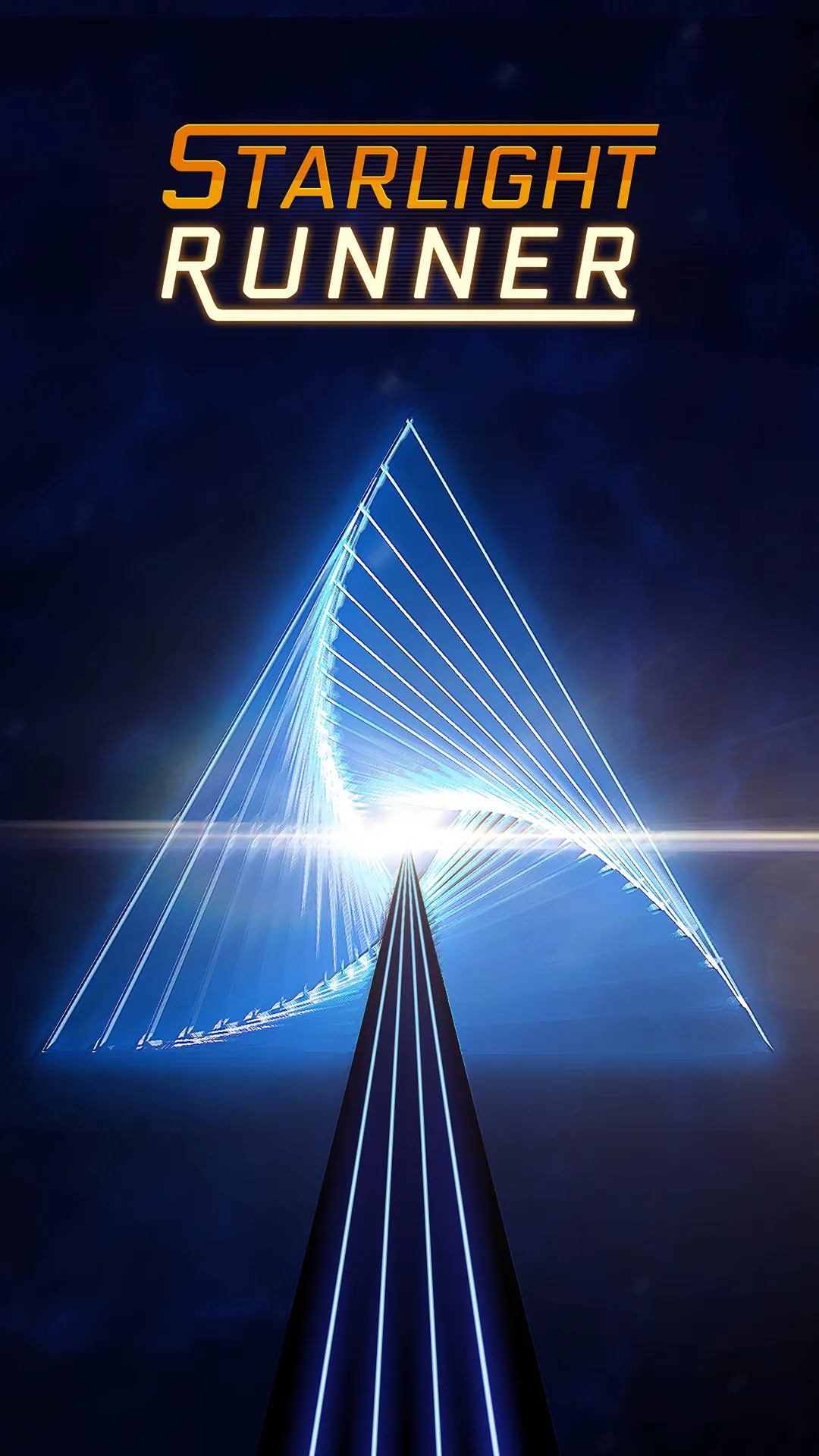
Starlight Runner
Full Composition & Music Production / SFX
Starlight Runner is a 100% electronic score that underwent a major creative shift. Initially envisioned as a heavily story-driven, synthwave-focused soundtrack, the project pivoted toward pure arcade gameplay, requiring a complete change of musical direction.
The soundtrack explores four distinct electronic influences, with each track mapped to a specific difficulty level from Easy to Extreme. To match the ramping challenge, the tempo increases progressively from track to track across the EP.
Finding the right balance between these electronic influences and mobile gameplay was a delicate exercise. The goal was to keep the tracks punchy without over-producing or cluttering the mix, allowing the visual style and gameplay to stay front and center.
Music
- 01 Erase 3:29
- 02 Unreachable 3:35
- 03 Data Hunter 3:30
- 04 Track 66 3:04
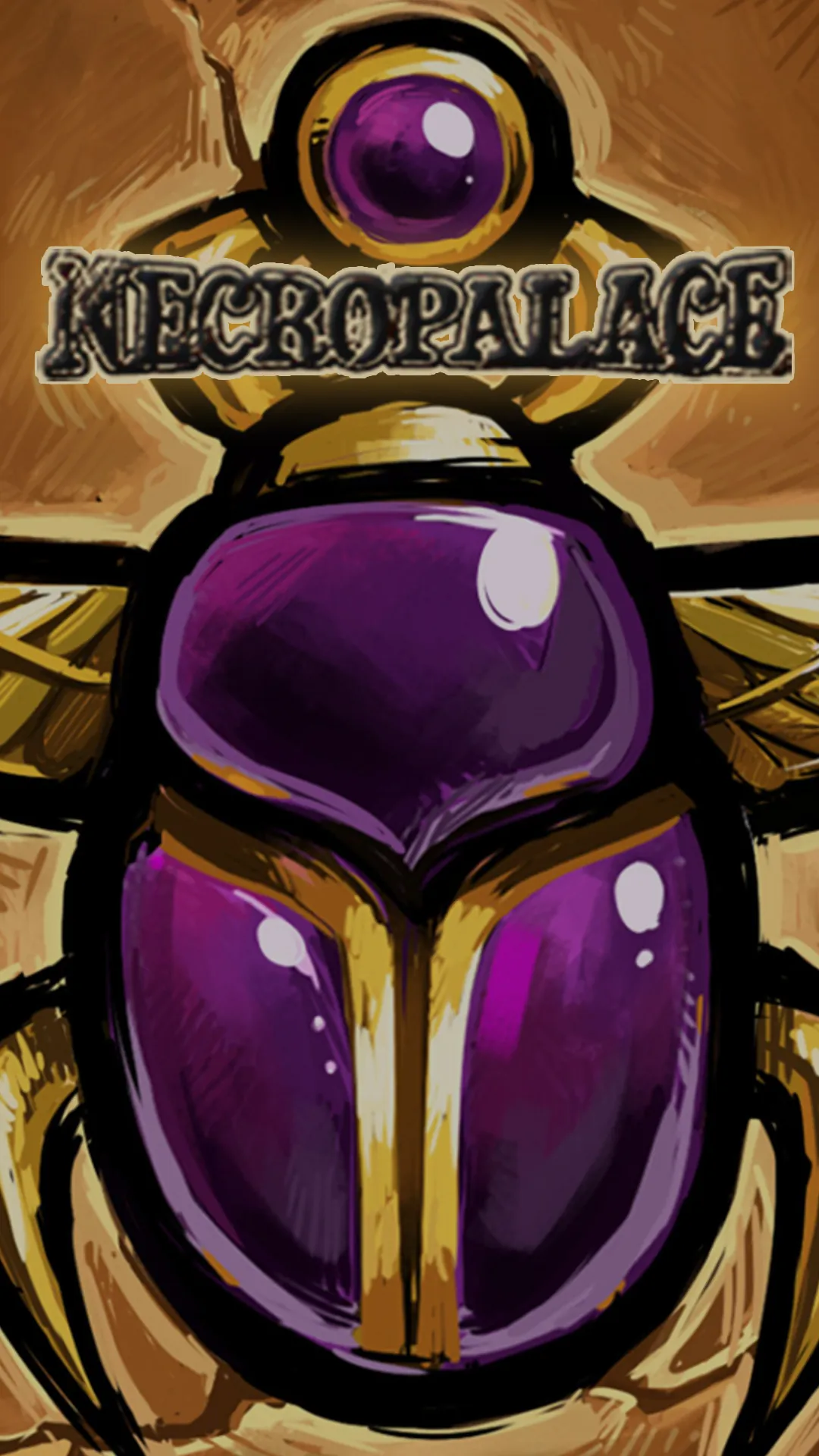
Necropalace
(2019) Mockup Design & Full Composition
Scored largely on a laptop during a summer break in Brittany, Necropalace holds a very special place in my journey as my very first video game commission. It served as the foundation for everything that followed, marking my initial steps into orchestral virtual mockups for a hand-drawn mobile strategy game.
Looking back, while the compositions felt right for the game, my production and arrangement skills have evolved immensely since then. If I were to recreate this soundtrack today, I would keep the core musical ideas while elevating the mix, refining the orchestral mockups, and leaning further into dark folk textures, perhaps bringing in a bolder aesthetic inspired by games like Hades.
As the starting point of my scoring career, it remains an essential milestone that set my entire path in motion.
Music
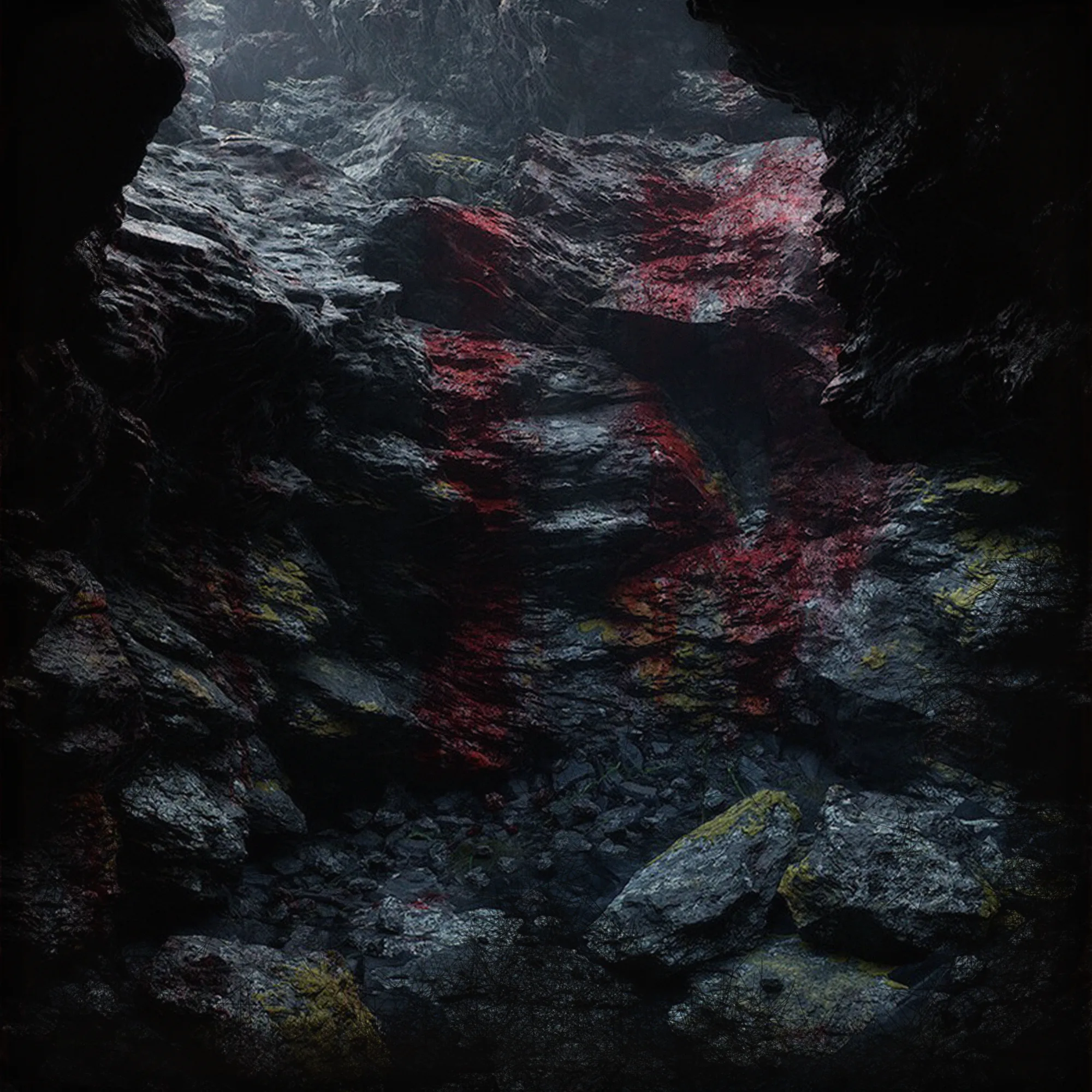
War of Being
Frequently asked questions
A few things people often ask before working with a composer.
Are you open to working on small-budget or indie projects?
Absolutely. As long as the project is exciting and the team is great to work with, I'm all in. Honestly, I often prefer these projects for the creative energy and passion they bring to the table. Indie projects are usually the most inspiring by nature.
Curiously enough, you sometimes see small projects trying to imitate major AAA productions, which feels counterproductive to me, especially artistically. But when an indie project embraces its own identity, that's where the real magic happens.
Do you use generative AI in your work?
Not directly, no. I mainly use AI as a productivity tool, like helping me stay organized, automating repetitive tasks, or doing quick research. Every now and then, I might use it to talk through existing tracks, explore specific theory questions, or figure out a new plugin. But when it comes to the final product delivered to clients? It's 100% custom, crafted by a human for humans.
Why are you not on platforms like Fiverr or Upwork?
Because my whole approach to scoring and the projects I love working on simply doesn't fit that model.
I genuinely believe my job is to bring something to the table that a game designer or director need: a distinct (musical) vision, artistic sensibility, cultural background, and specific craft. But to deliver that, you first need to build a real human connection.
Do you work with live instruments or full virtual/VST setups?
It depends on the project, but on average I'd say I'm around 80% VST and 20% real instruments. Over the years, I've built a solid collection of top-tier virtual tools, but more importantly, I've developed the craft to make them sound alive, natural, and expressive.
When it comes to orchestral writing, I make a point of composing idiomatically, meaning every line is written as if a real musician were playing it. That keeps the mockup sounding completely authentic, and if we ever decide to record with a live orchestra down the road, the transition is seamless.
What do you need from me to get started?
A quick breakdown of what you need, your deadline, and your budget range. Beyond that, I just need you to tell me about your vision in your own words and with your own sensibility. Open, honest communication about what you want to achieve is really what makes the magic happen. Once we have that foundation in place, everything else flows naturally.
How do we handle communication and feedback during the project?
I adapt to whatever setup suits your project best. But when given the choice, I like to create a dedicated workspace on MyFender.com. It allows me to upload every version of each track, keep everything organized, and gather clear, time-coded feedback on specific tracks or overall project chat.
It streamlines versioning, keeps a clean paper trail, and saves everyone from endless WeTransfer links. Paired with a good old master list spreadsheet to track global progress, it keeps the process smooth and stress-free for both of us.
Can you work with temp tracks or placeholders?
Absolutely. It's a huge part of modern scoring, and I completely embrace it. When temp tracks are used thoughtfully, they streamline the whole process, letting editors and game designers move forward on a timeline that works for them. As long as it serves the project and helps us find the right direction faster, I'm all for it.
What is your revision policy?
I don't charge for revisions, and there is no strict limit on how many we can do. My quotes always build in enough breathing room for corrections and refinements right from the start. If a track lands on the first try, great! My collaborators get their money's worth. If it takes a few tweaks, that's completely fine too. Nobody should feel hesitant to ask for adjustments, and I know I'll stay on schedule because that back-and-forth was already factored into the timeline. Of course, bounds still apply... Calling the night before to ask for a "v15" by morning isn't ideal! But as long as communication stays open and constructive, we'll always get the track where it needs to be.
Can you handle sound design and audio implementation, or just music?
I can handle both, as they are fully part of my skill set. However, I often find that having a dedicated integrator alongside the composer leads to the best results, as it allows each person to give 100% of their energy to their specific craft.
When it comes to sound design for video, I am completely comfortable managing that directly within my DAW. That said, if the final assembly is happening inside a NLE, I usually prefer leaving the absolute final polish and placement to the video editor so they keep full creative control over the timeline.
Do you deliver mixed and mastered files ready for integration?
Yes, if that's what the project calls for. I always make sure to map out my collaborators' exact technical needs early on so I can tailor my export workflow accordingly. Whether you need audio prepared for FMOD and Wwise or tracks ready to drop straight into a NLE, I deliver fully usable files with clear notes on processing and intent. When helpful, I'll also provide alternative exports with precise naming to give you enough headroom to tweak things in the final mix if needed.
What are your rates?
My rates vary quite a bit depending on the project, the scope, and the time required. I always aim for a balanced deal that works fairly for everyone involved. That can range from around €500 for a short film, up to €15,000 to €50,000 for a full-scale video game requiring six months of dedicated composition and production.
I am not in this purely for the money, but years of honing a craft and sharpening a sensibility for media scoring carry real value. Negotiation isn't just about counting delivered minutes. Ultimately, creating the best possible conditions for a project leads to better art, and in the end, that's what the audience benefits from most.
How do you handle the rights to your music?
Simply put, I always retain credit for the work I do. I want my future grandkids to be able to look at a game or film credit sequence and see my name attached to that composition or arrangement.
It's the same story for streaming releases. I don't see the point in hiding artists behind impersonal company or label names. That said, exact terms depend on my level of involvement in a given project. For my original compositions, I license the usage rights out while keeping my underlying copyright and publishing intact.
Learn guitar, one on one
Private acoustic and electric guitar lessons, in person or remote, currently hosted on Superprof.
Let's work together
Have a project in mind? Send me a message and I'll get back to you as soon as possible.
